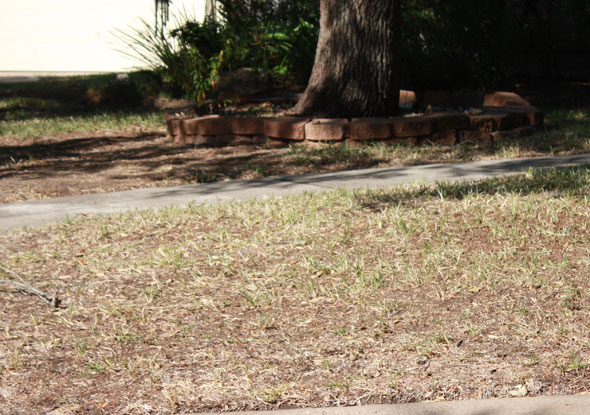
 Houston’s drought is taking it’s toll on our landscapes. With mandatory watering restrictions in place, many of us are struggling to keep our lawns alive. Some of my neighbors have given up and let their lawn completely turn brown. Whether it will come back or not remains to be seen.
Now given that 2011 is the worst one-year drought in Texas history, most of us are dealing with challenges we’ve never experienced before. As Kathy Huber says in a recent chron.com article:
Forget the picture-perfect lawn. With drought and water restrictions, a more realistic goal is to keep grass alive.
When I took the Harris County Master Gardener training program a few years ago, we learned that deep and less frequent watering was the key to a healthy lawn. The reasoning is simple. Roots tend to follow the water. By watering your lawn frequently, you’ve conditioned the roots to cluster near the surface of the soil. With those 109 degree temperatures we had in August, those shallow, weak roots were baked. Lack of organic matter in your soil and the use of synthetic fertilizers and pesticides only make the problems worse.
So given where we are now, what do we do for the rest of this year?
1Reduce or eliminate fertilizing until our normal rainfall resumes. This only encourages growth which requires even more water. Avoid synthetic fertilizers. Instead apply finely screened compost to areas of the lawn that have turned brown or died. Rake out the dead thatch first before sprinkling the compost. A healthy, porous soil that is not compacted is the best way to encourage your lawn to fill in those dead spots.
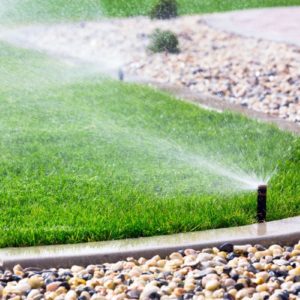
2 Most lawns need about 1 inch of water per week. During the drought, they can get by with 1/2 inch and still survive. Find our how much water your sprinkler or irrigation system in putting out per hour by placing several empty tuna or coffee cans in each watering zone of your lawn. Run the sprinkler and check the cans after 15 minutes. Measure the amount of water in each can and then average them. If the average is 1/4 inch then you’ll need to water for one hour (1/4 x 4) to apply 1 inch of water. Stop watering if you see run-off down the sidewalks or into the street. Wait for the lawn to absorb the water you’ve applied first, then continue again until you’ve applied 1/2 to one inch of water.
3Keep the grass tall! St. Augustine does better with a height of 2-3 inches. It shades the root system, stores carbohydrates and maximizes photosynthesis. Cut the lawn when the height reaches 3 inches or more. Do not cut more than 1/3 of the height at a time. Cutting more will add stress and weaken the lawn as it spends a lot of energy rejuvenating. Keep your mower blades sharp. Dull blades tear the grass, creating a brownish cast at the tips and lengthen healing time.
4Recycle clippings into the lawn. Clippings do not add thatch to your lawn but do return nutrients and moisture. Use a good mulching mower that finely chops clippings and forces them deep inside to the soil surface (avoid cutting too much at one time as mentioned above).
5COMPOST! Treat spot areas with a finely screened layer of compost. It will help to loosen compacted soil, increase microbial activity and help it to hold moisture – which is good for the health of your lawn.
6Cinch bugs, other pests or fungal problems? These will be more challenging than most years. For cinch bugs, try Ecosmart Granular Organic Insect Killer. Fungal problems? Try Serenade for Brown patch control. Remember that following the other steps above is your best long term defense against pests and disease.
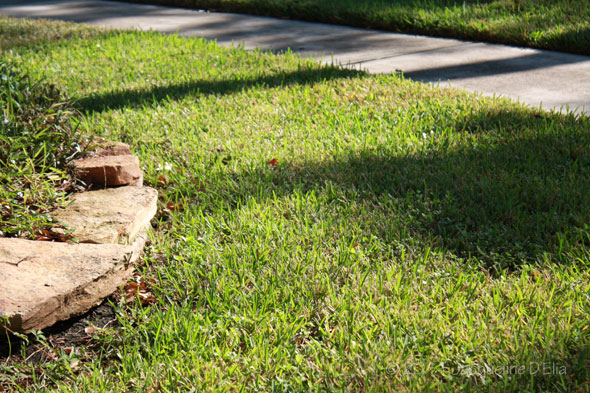
Need help with your lawn? Come in and speak with us. We’ve got the right advice and products for getting through this difficult drought.