Characteristics
| Hardiness zone | 6b |
|---|---|
| Flower color | fuchsia |
| Foliage type | evergreen |
| Plant form | spreading |
| Mature height | 24 inches |
| Spread | 24 inches |
| Light requirements | full sun to partial shade |
| Moisture requirements | dry |
| Plant origin | North American native |
Houston's favorite garden center devoted to Texas native plants and organic gardening.
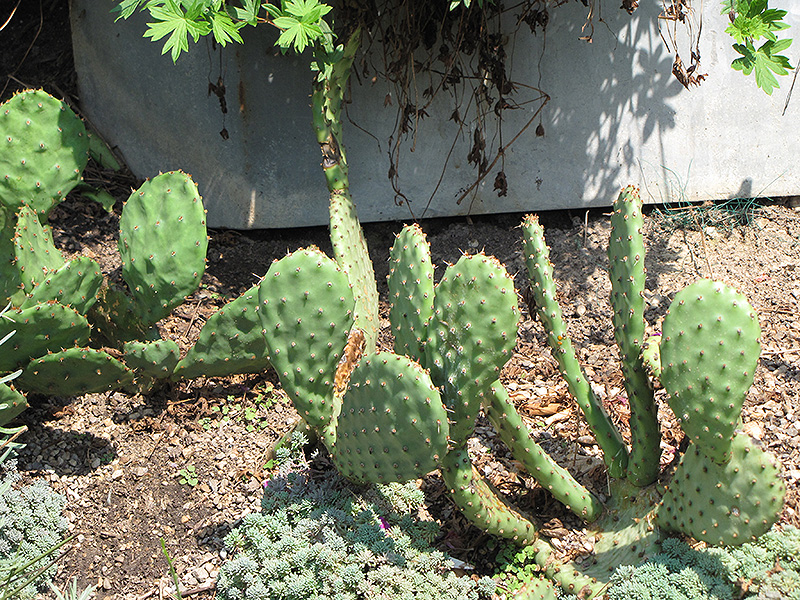
Botanical name: Opuntia basilaris
Interesting oval, gray-green pads are blushed with purple; vibrant fuchsia flowers in spring; the pads are mostly spineless with some near the top but the pads are protected by dark-brown glochids which will penetrate the skin; this plant is edible.
Other names: O. whitneyana, O. treleasii, O. humistrata
| Hardiness zone | 6b |
|---|---|
| Flower color | fuchsia |
| Foliage type | evergreen |
| Plant form | spreading |
| Mature height | 24 inches |
| Spread | 24 inches |
| Light requirements | full sun to partial shade |
| Moisture requirements | dry |
| Plant origin | North American native |
Beavertail Prickly Pear Cactus features showy fuchsia flowers with yellow centers at the ends of the stems in early spring. Its attractive succulent oval leaves remain grayish green in color with hints of purple throughout the year.
This is an herbaceous evergreen houseplant with a spreading, ground-hugging habit of growth. Its relatively coarse texture stands it apart from other indoor plants with finer foliage. This plant should never be pruned unless absolutely necessary, as it tends not to take pruning well.
When grown indoors, Beavertail Prickly Pear Cactus can be expected to grow to be about 24 inches tall at maturity, with a spread of 24 inches. It grows at a medium rate, and under ideal conditions can be expected to live for approximately 5 years. This houseplant will do well in a location that gets either direct or indirect sunlight, although it will usually require a more brightly-lit environment than what artificial indoor lighting alone can provide. This is a unique plant in that it requires extremely dry, well-drained soil, and it will die if left in standing water for any length of time - in fact it will suffer if it is over-watered. The soil should be allowed to go completely dry to the touch an inch or two deep for prolonged periods, and it may only need watering once every few weeks. Be aware that your particular watering schedule may vary depending on its location in the room, the pot size, plant size and other conditions; if in doubt, ask one of our experts in the store for advice. It is not particular as to soil pH, but grows best in sandy soil. Contact the store for specific recommendations on pre-mixed potting soil for this plant.
There are many factors that will affect the ultimate height, spread and overall performance of a plant when grown indoors; among them, the size of the pot it's growing in, the amount of light it receives, watering frequency, the pruning regimen and repotting schedule. Use the information described here as a guideline only; individual performance can and will vary. Please contact the store to speak with one of our experts if you are interested in further details concerning recommendations on pot size, watering, pruning, repotting, etc.